Kratom, 7-OH become illegal in Kansas July 1: Here’s what residents need to know
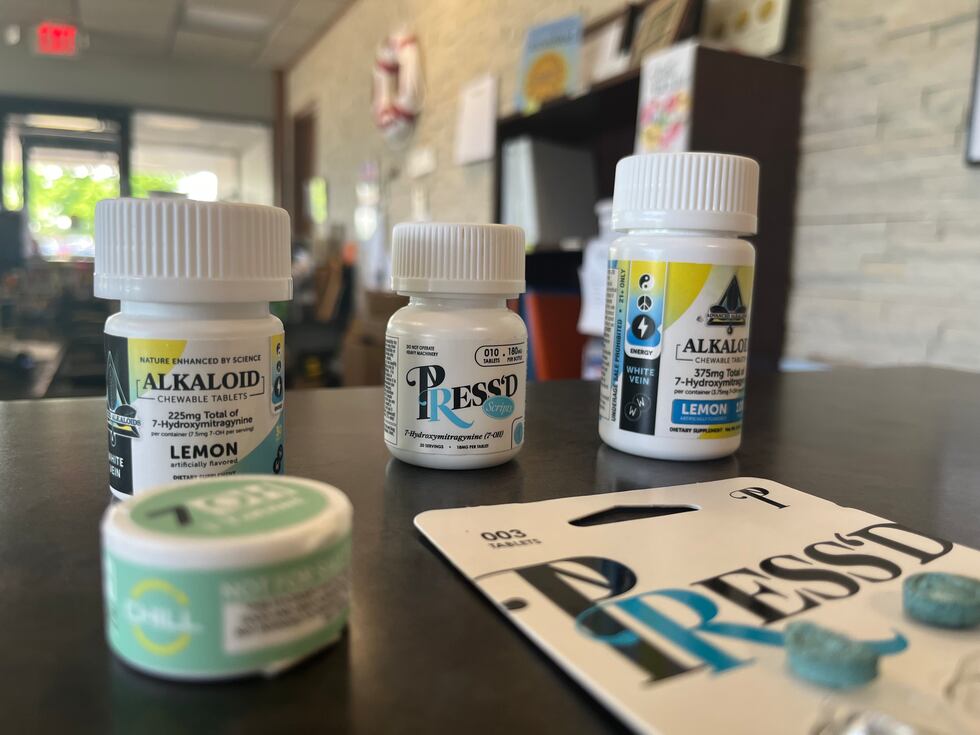
JOHNSON COUNTY, Kan. (KCTV) - Kansas residents have mere days left to dispose of kratom and 7-OH products before they become illegal.
Beginning on July 1, Kansas law makes it illegal to possess, sell or purchase kratom, 7-OH and other controlled substances.
The law also adds HHC (hexahydrocannabinol) as a controlled substance and clarifies that all THC is illegal, regardless of concentration, if it is in a prohibited product type.
“If you have kratom or 7-OH, now is the time to get rid of it,” Sheriff Byron Roberson said. “Dispose of these products on or before June 30, no questions asked. Starting July 1, possession of these substances is illegal under K.S.A 65-4105.”
What You Need to Do: Dispose by June 30
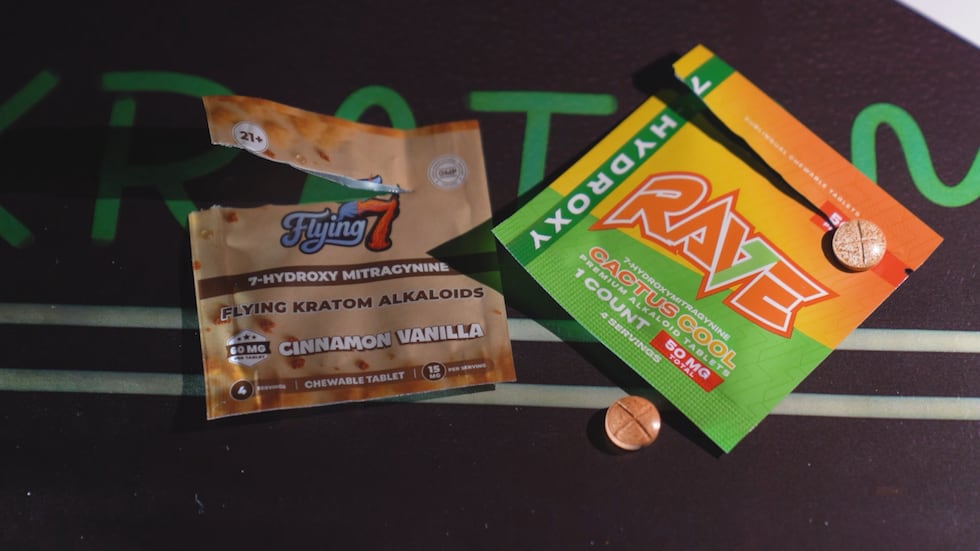
Kratom and 7-OH are sold in multiple forms: capsules, powders, tablets, extracts and liquids. Kansans who have these have been warned to dispose of them safely before July 1.
Drop-Off Locations
- Johnson County Sheriff’s Office: 27747 W. 159th St., New Century
- CVS Pharmacy: 1075 W. Santa Fe St., Olathe
- CVS Pharmacy: 22700 W. 55th Terr., Shawnee
- CVS Pharmacy: 13502 W. 87th Pkwy., Lenexa
- Hy-Vee Pharmacy: 18101 W. 119th St., Olathe
- Hy-Vee Pharmacy: 14955 W. 151st St., Olathe
- Hy-Vee Pharmacy: 13550 W. 63rd St., Shawnee
- Hy-Vee Pharmacy: 13400 W. 87th Pkwy., Lenexa
- Walmart Pharmacy: 395 N. K-7 Highway, Olathe
- Deterra Drug Deactivation Pouches: For drug disposal at home, pouches can be requested by emailing mnh-prcoalition@jocogov.org
What They Accept & Reject
County leaders indicated that drop-off sites will accept powders, tablets, and extracts.
However, sites will not accept liquids, needles, inhalers or aerosols.
Why This Matters: Johnson County’s Kratom Crisis
Leaders noted that Johnson County has among the highest rates of non-fatal EMS encounters involving kratom and related substances in Kansas. This new law reflects a serious local public health concern.
Withdrawal Symptoms: What to Expect
Those who use kratom or 7-OH regularly have been warned that stopping suddenly can cause withdrawal symptoms, including:
- Anxiety
- Irritability
- Restlessness
- Muscle aches
- Nausea
- Difficulty sleeping
Officials added that withdrawal symptoms can lead users to seek alternatives - including illegal opioids or pain medications without a prescription.
Taking pills obtained outside of a licensed pharmacy significantly increases the risk of exposure to fake pills containing fentanyl, overdose and death, according to authorities.
Help Is Available: Free, Confidential Support
While dependence and withdrawal can happen, treatment is available and recovery is possible, the Johnson County Mental Health Center urged.
Those in crisis should call 988 - the Suicide & Crisis Lifeline
- Free
- Confidential
- Available 24/7
- In Johnson County, calls are answered by the Johnson County Mental Health Center
The Center has encouraged anyone struggling with kratom or 7-OH dependence - or supporting a loved one - to reach out.
Learn more about the dangers of fake pills and fentanyl from the Johnson County Prevention and Recovery Coalition HERE.
Understanding the New Law
What’s Illegal Starting July 1
The new law adds the following to the Kansas Schedule I controlled substances:
- Mitragynine (the active alkaloids in kratom)
- 7-hydroxymitragynine (7-OH - a kratom derivative)
- Hexahydrocannabinol (HHC - a synthetic cannabinoid)
- All THC, regardless of concentration, in prohibited product types
The law applies to all forms of these substances, including capsules, powders, tablets, extracts and liquids.
What This Means for Possession
Possession of kratom, 7-OH, HHC, or prohibited THC products becomes illegal in Kansas starting July 1. The legal consequences depend on the amount possessed and prior criminal history.
For Business Owners: Compliance Required
The Johnson County Sheriff’s Office and other law enforcement agencies noted that they have been educating local retailers about the upcoming change.
District Attorney Steve Howe said he provided a letter to businesses outlining clear expectations: After July 1, no store should sell any items containing kratom, 7-OH, HHC or THC in any of the unlawful forms listed under the new law - regardless of whether the concentration is below 0.3%.

Review the Legislation
Residents and retailers have been urged to review the following bills to determine whether any products in their possession are impacted:
- Kansas House Bill 2365 - Adds and removes certain substances in Schedule I, III and IV of the Uniform Controlled Substances Act
- Kansas Senate Bill 430 - Adds mitragynine to Schedule I and reconciles multiple amendments to controlled substances statutes
Both bills take effect July 1, 2026.
Questions?
For more information about the new law or disposal options, contact the Johnson County sheriff’s Office or your local police department.
Copyright 2026 KCTV. All rights reserved.