Vote on age-based eligibility rule could come in June, NCAA’s Division I cabinet says
KANSAS CITY, Mo. (KCTV) - Redshirts could soon be a thing of the past for college athletics.
On Friday, the Division I Cabinet for the NCAA discussed the possible implementation of an age-based eligibility model with plans to consider voting on it during an upcoming June meeting.
In a memo shared Friday, the NCAA explained the potential rule changes.
If adopted, the age-based model for eligibility would replace current eligibility rules, which include redshirts, medical redshirts and a frequently used hardship waiver process that players have used to attempt to gain further eligibility.
Under the new rules, student-athletes would be allowed up to five years of competition within their chosen sport during a five-year time period that begins the academic year following their high school graduation or their 19th birthday, whichever happens first.
Waivers would no longer be available to extend eligibility with exceptions for pregnancy, official religious missions and active-duty military service.
The Division I Cabinet outlined the expected implementation process if the June meeting results in a vote in favor of the rule change.
- Student-athletes whose fourth season of collegiate eligibility was completed by spring 2026: No additional eligibility.
- Currently enrolled student-athletes with eligibility remaining after the 2025-26 academic year: Flexibility for schools to apply the age-based model or continue with the previous eligibility rules (four seasons to compete with five total years of eligibility), whichever is most beneficial to that individual.
- Prospects expected to graduate from high school in spring 2027: Age-based model only.
- Prospects expected to graduate from high school in spring 2026, regardless of planned enrollment date: Age-based model only.
- Prospects who graduated prior to spring 2026 and have not enrolled: The NCAA Eligibility Center will review the prospect's individual circumstances and apply the age-based model or existing delayed enrollment eligibility rules, whichever is most beneficial to that individual.
Schools with student-athletes who currently may be eligible for a hardship waiver or extended eligibility have been informed by the Cabinet that the deadline to submit any waiver requests to NCAA staff is July 31.
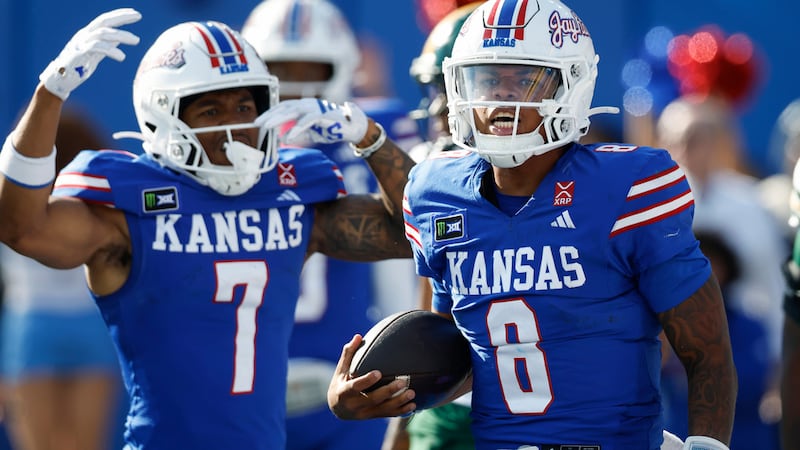
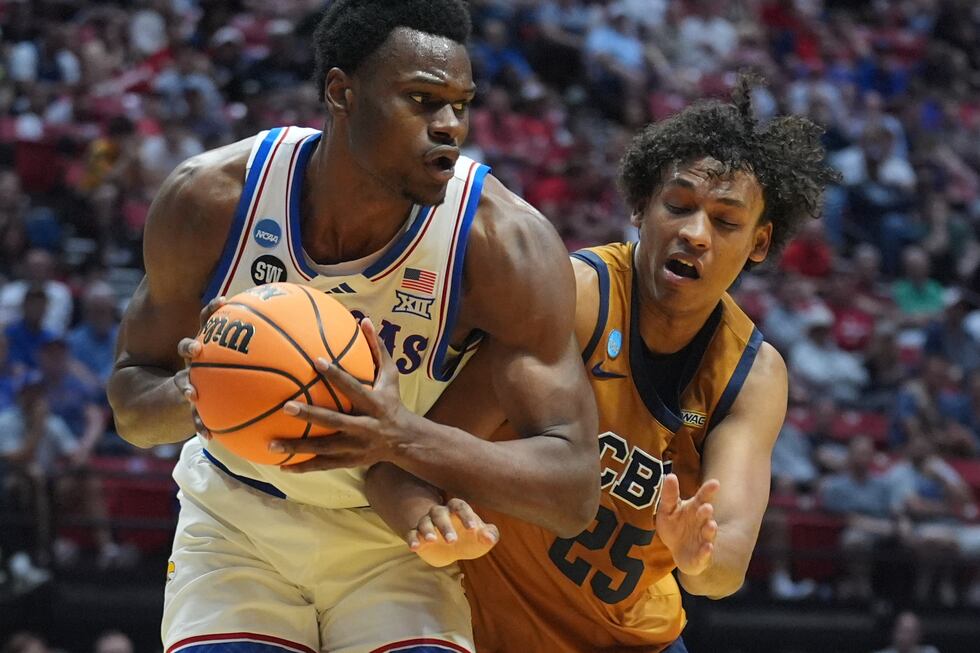
If the rules change, players like Kansas center Paul Mbiya are examples of a difference in eligibility that would exist. Mbiya, who began his freshman year at Kansas in 2025 as a 20-year-old coming to the United States from France, would now begin his college career as a sophomore.
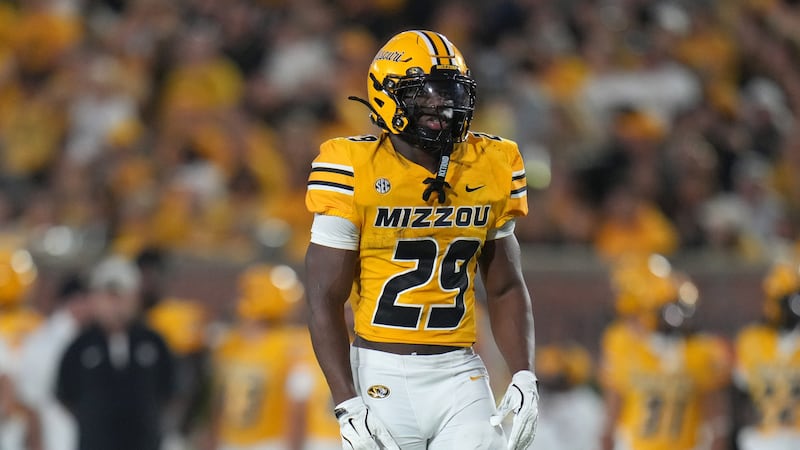
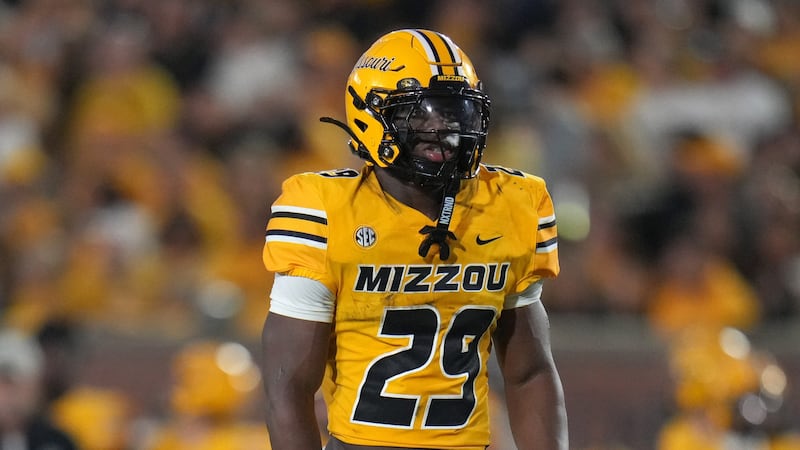
A player like Mizzou offensive tackle Keagen Trost, who transferred to Columbia after time at Morgan State, Indiana State and Wake Forest to play his final season of college more than six years after graduating high school, would no longer be eligible under the new rules.
Copyright 2026 KCTV. All rights reserved.