AI toys teaching kids to light matches, share personal data, psychologist warns parents
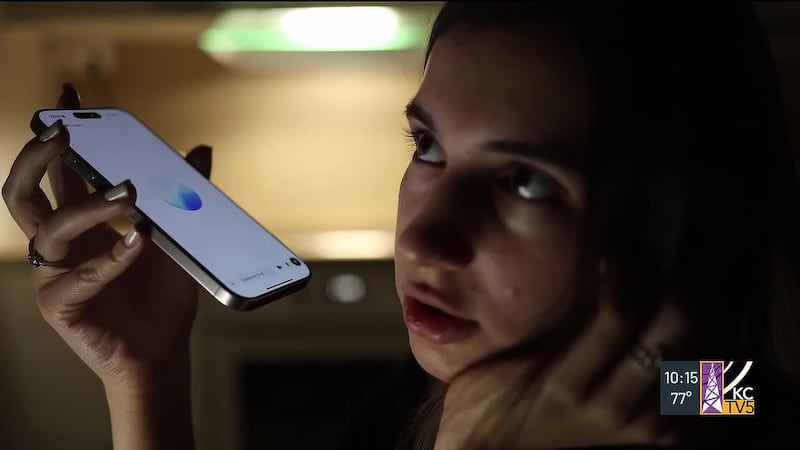
KANSAS CITY, Mo. (KCTV) - The holiday shopping season is in full swing with many different toys on the market, including Artificial Intelligence, or AI-powered toys.
But one child psychologist warns families need to be aware of what they may be buying, even if those include isolated incidents.
Amy Hyken-Lande, a child psychologist of nearly 25 years and owner of Harmony House Collective, said there are concerning examples of AI toys providing inappropriate content to children.
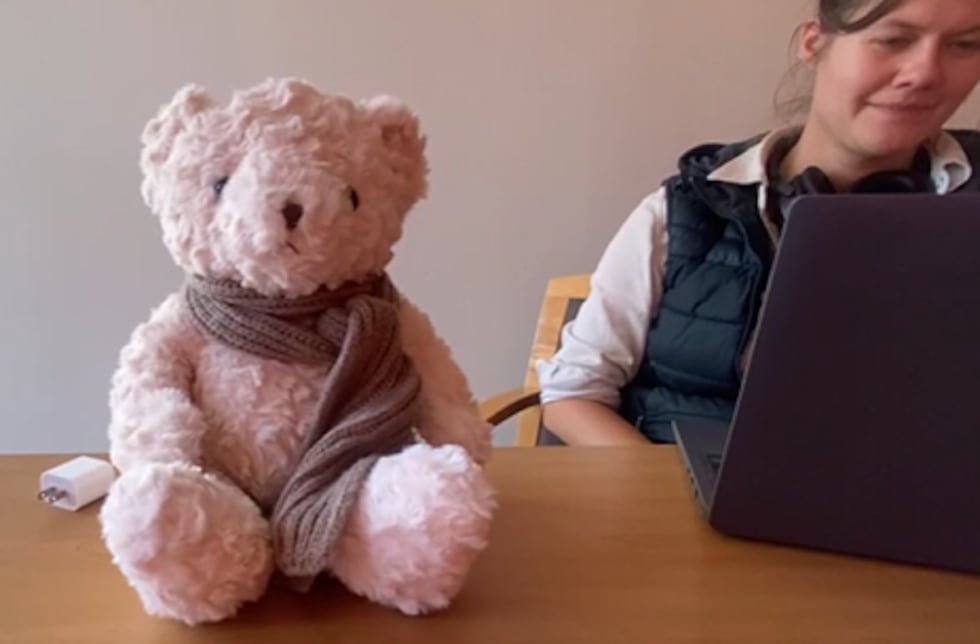
“There was a bear that a kid was using, and it taught them how to light a match. There’s a lot of sexual information, some misinformation. But that shouldn’t be taught by a machine or a device,” Hyken-Lande said.
Hyken-Lande went on to say that children’s use of technology already concerns some parents, while other parents aren’t sure how to approach the issue.
“A lot of parents ask me, ‘Should I set boundaries around it?’ Of course,” she said.
The AI chatbot may seem harmless, even as a way to help entertain a child. But Hyken-Lande said the toys could do more harm than good when not handled responsibly.
“My fear is that they’re going to be a little bit more isolated. They’re not going to be able to read each other, I think they’re gonna miss that,” she said.
Hyken-Lande said she has three main concerns about AI chatbot toys.
The First Concern: Privacy and safety.
“The information, where is it going? So, they’re learning about the child’s name, and age -- they’re learning likes, dislikes. Where is that going? Where are the guardrails?” she questioned.
The Second Concern: What happens when children share serious problems with AI toys without adult supervision.
“If a parent’s cooking dinner, and they give their kiddo a plushie or robot, or whatever the AI toy is and the child starts talking about a problem like someone’s bullying me. What should I do? I feel unsafe in my home. I feel sad,” she said.
Hyken-Lande said AI toys don’t teach empathy and can’t provide appropriate responses to children’s serious concerns.
“If you tell a parent, a friend, a therapist, a teacher, they know, okay, this is the next step. That little toy doesn’t know what the next step is, and that’s really concerning,” she said.
She referenced a case where a teenager had a relationship with an AI bot and ended his own life.
“Those are some really scary situations. I think there just needs to be a lot more research around safety,” she said.
The Third Concern: Communication and social development. Hyken-Lande reminds us that children miss important nonverbal cues when interacting with AI toys rather than humans.
“When they’re talking to a teddy bear, it’s one way, so they’re not picking up those informal cues. They’re just talking.”
She said this is similar to what happened during COVID when children missed social interactions.
“I work with a lot of kids who have social anxiety. And a lot of them are my COVID kids. Because when you think about it, they were babies around people who had masks during COVID. They didn’t get to see smiles or disappointment on a face,” she said.
Hyken-Lande’s advice to parents considering AI toys for holiday gifts is clear.
“Until there’s more research, until there’s more parental controls, or guardrails, it’s not something I would buy,” she said.
Instead, she recommends toys that promote creativity and problem-solving.
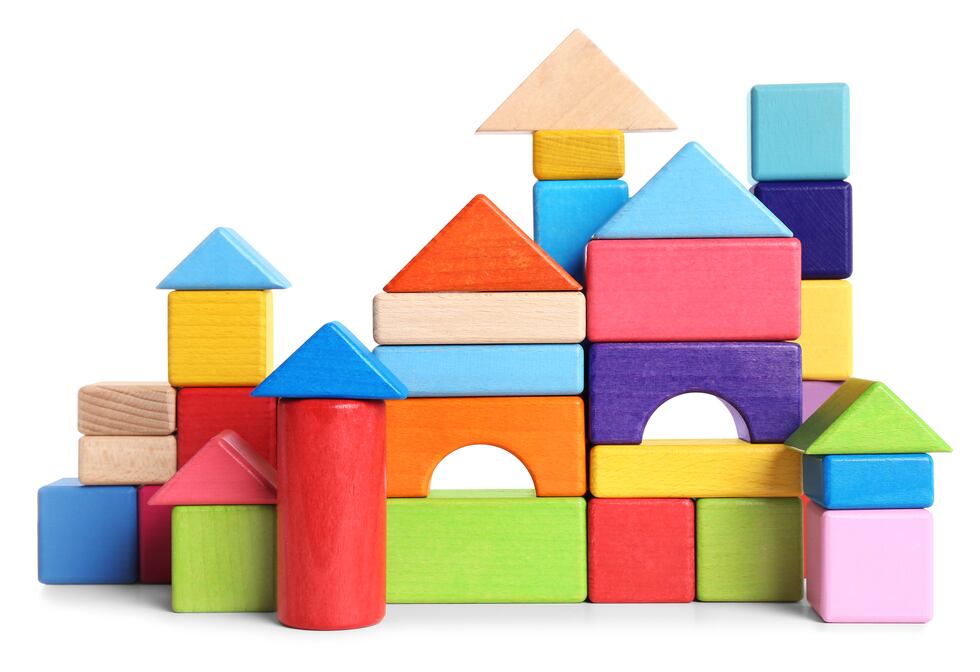
“Think about things that promote their creativity, that create opportunities to problem solve, critical thinking, and imagination, and just play. Because kids do learn through play,” she said.
She suggests traditional toys like Lincoln Logs, Legos, blocks, puzzles, and age-appropriate books.
“Those are things that help your child’s mind develop. And they’re not a safety risk,” she said.
Copyright 2025 KCTV. All rights reserved.